

Can My Home Equity Help me in a Chapter 13 Bankruptcy?
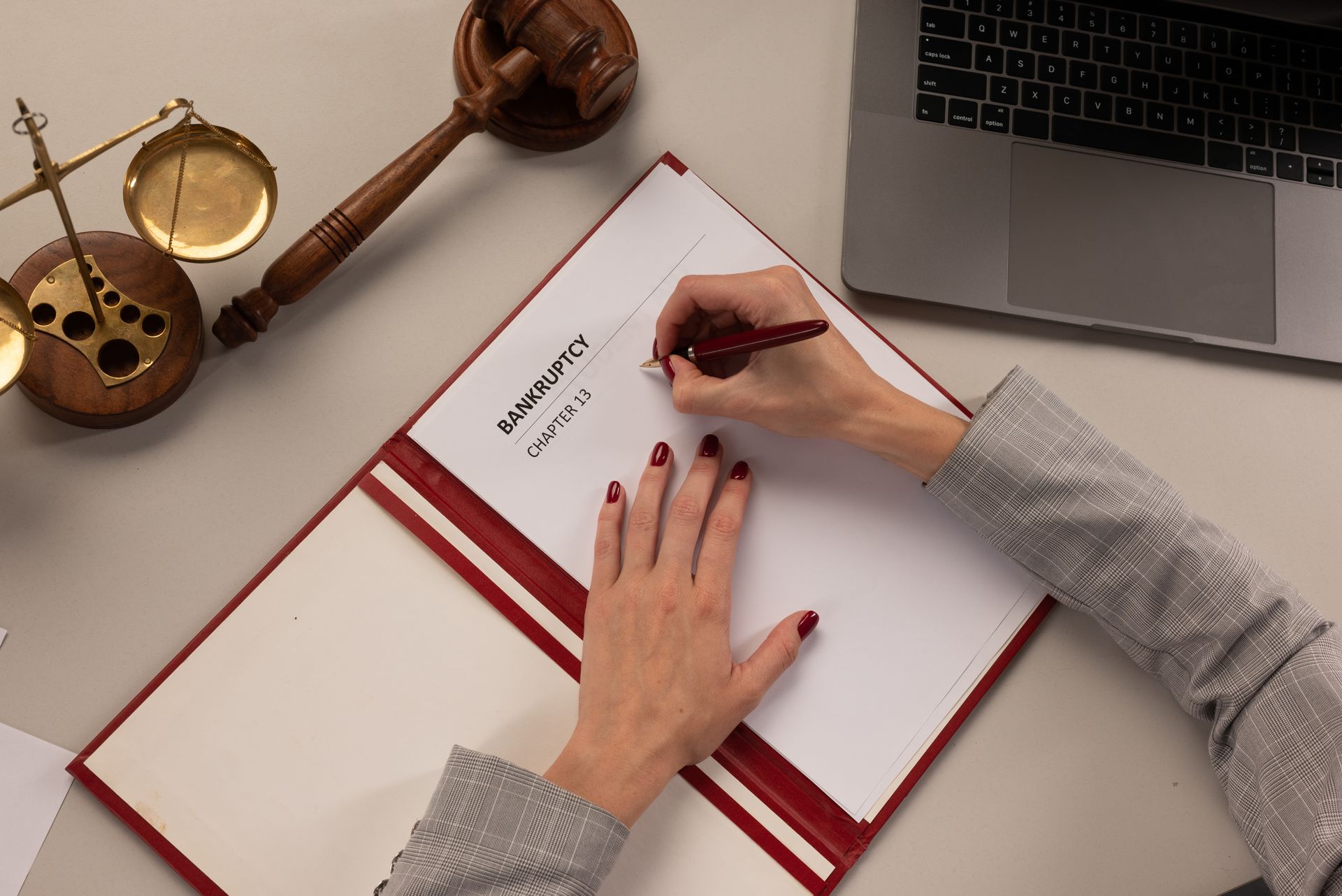
One of the defining differences between Chapter 7 bankruptcy and Chapter 13 bankruptcy is that under Chapter 13, you can keep all of your property. While bankruptcy allows exemptions for specific property based on state or federal guidelines, in Chapter 7 bankruptcy, the trustee will liquidate any non-exempt property to raise funds to pay your creditors. In Chapter 13 bankruptcy, liquidation of assets does not typically occur. Instead, you enter into a repayment plan based on your income and the debt owed.
Home equity can be helpful in Chapter 13 bankruptcy—but it can also complicate things. The specific ways your home’s equity can impact your Chapter 13 filing will depend on how much equity you have, how much debt you have, and your income. Veitengruber Law has nearly two decades of experience representing NJ homeowners in bankruptcy cases. We understand how to make your equity work in your favor during bankruptcy.
Here is everything you need to know about your home’s equity during a Chapter 13 bankruptcy.
Exemptions in Chapter 13 Bankruptcy
In Chapter 13 bankruptcy, exemptions are used to calculate the minimum amount the filer is expected to repay to unsecured creditors. Because you keep all your property under Chapter 13, these exemptions are not used to protect assets from liquidation. Instead, they help the courts determine how much of your debts you should be expected to repay.
Typically, you will need to repay at least as much as your creditors would get if your assets were to be liquidated. This amount does not include assets protected by exemptions, such as the homestead and wildcard exemptions. The value of any non-exempt property will be used to determine how much you will repay creditors in your 3-5 year repayment plan. This process is known as the “Best Interest of Creditors” test.
The federal homestead exemption protects equity in your primary residence up to $31,575. This amount is protected and cannot be used in the calculation of what you owe your creditors. So, if you have $50,000 in equity in your primary residence, the value of $31,575 is protected. This leaves $18,425 in excess of the exemption limit. This means you will have to pay at least $18,425 in unsecured debt back to your creditors. This does not include other non-exempt assets that also have equity, like cars, boats, real estate, and other secured property.
So, if you have a lot of credit in your property, or at least credit that exceeds your exemptions, you may end up having to pay back more to your creditors. Exempting the highest amount of equity that you possibly can is the best way to lower your monthly payments. In NJ, you will have the option to choose between using state or federal bankruptcy exemptions. Working with an experienced bankruptcy attorney can help you determine which set of exemptions is better for your specific situation.
Funding Your Repayment Plan with Equity
After you go through the bankruptcy process and the court determines your repayment plan, you can use your home equity in creative ways to pay off the total amount you owe. Refinancing your home or taking out a home equity loan/line of credit can be options. It is possible to use your home’s equity to pay off your Chapter 13 repayment plan in full, but there are quite a few hoops to jump through.
First, because you are under court supervision throughout the entirety of your Chapter 13 repayment plan, you need to receive approval from the court, the bankruptcy trustee, and your lenders to obtain new debt against your home. All parties need to agree that it is in the best interest of all involved to use your home’s equity in this way.
Next, you will need to work with your lender to determine your eligibility for refinancing OR a home equity loan/line of credit. Your lender may be wary of approving you for new credit since you are in bankruptcy. You will likely need to work carefully with a bankruptcy attorney to negotiate approval with your lender. If you are able to get approved, you can use the funds to pay off your Chapter 13 plan.
Of course, there are risks involved in this plan. Under a Chapter 13 repayment plan, your home is protected from foreclosure and cannot be liquidated to raise funds to repay your creditors. Once you borrow against your home and your equity, however, it is possible to lose your home. Your property will be at risk if you are unable to afford the new loan payments.
Alternative Ways to Use Equity
If you have significant equity in your home, you may be able to sell your home to raise the funds needed to pay off the bankruptcy plan. Selling your home would also require approval from the bankruptcy trustee. If you are able to get approval and sell your home for more than you owe on your plan, you can pay it off outright and be totally free of your debts.
However, you would need to find a new place to live, which can be difficult in the aftermath of bankruptcy. Your credit will be negatively affected, and the bankruptcy will remain on your credit report for 7 years after you file. It may be challenging to get approved for a loan to purchase a new home, or even to rent. Selling your home to get out of debt without a plan for where you will live afterwards can put you in an even more precarious situation.
You should take these factors into consideration before trying to use your home to pay off your bankruptcy plan. You should compare the monthly costs for any new loan versus the monthly cost of your bankruptcy plan payments and determine which is more affordable for you.
Working with a Bankruptcy Attorney
It is always crucial to work with a bankruptcy attorney. Bankruptcy law is complex. With your financial well-being on the line, it is important to explore every available option. A bankruptcy attorney will be able to help you sit down and come up with the best plan to move forward on a better financial footing. Having assets, like equity, should never be considered a negative. Finding ways to make those assets work in your favor can make a huge difference in the outcome of your Chapter 13 bankruptcy. An attorney can also help you protect your assets.
Veitengruber Law has experience helping NJ homeowners protect their assets during bankruptcy. In addition to our bankruptcy knowledge, we have experience in debt management, credit repair, and real estate law. We offer holistic solutions to financial challenges that help our clients plan for a brighter future. Call us today for a consultation.