

What Happens to a Home in Probate
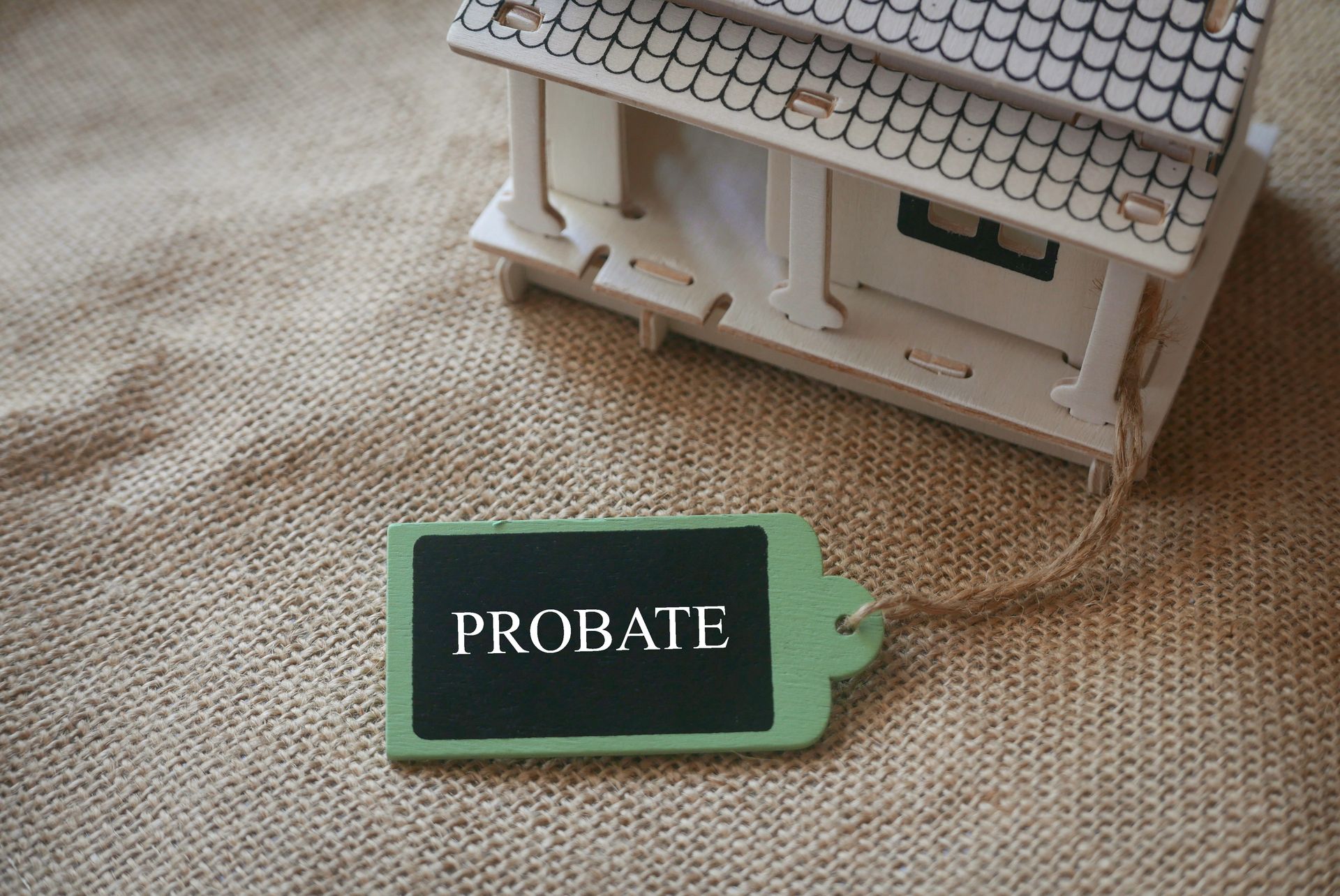
Probate is the legal and financial process through which a deceased person’s estate is administered. The probate process identifies a person’s estate, pays off any debts or taxes owed by the deceased, and distributes any remaining assets of the estate as directed in a will or by New Jersey probate laws. The probate process can be complex and time-consuming—especially when there is no estate plan in place.
Here, we will explore what happens to a home in probate.
Who owns a home in probate?
In New Jersey, a home in probate is managed by either the executor named in the will listing the property OR a court-appointed administrator. This person is responsible for maintaining the property until ownership can be transferred to the rightful heir(s) or until the property is sold to pay off debts or distribute assets. With real estate transactions, the probate process can take several months to over a year. The executor is also responsible for ensuring the property remains up to date on insurance and taxes.
The executor/administrator does not own the property. Instead, they are responsible for the property's financial and physical management. They also have the authority to make decisions regarding the maintenance, sale, or distribution of the property. The executor is legally compelled to act in the best interest of the estate and the beneficiaries of the estate.
Can I sell a home in probate?
It may be necessary to sell a home in probate to pay off debts or distribute assets evenly amongst beneficiaries. To sell the home, the executor needs court approval to place the property on the market and to accept an offer of purchase. The court will determine whether it believes the sale is in the best interests of the estate's heirs. If a sale is approved, the proceeds will be used to pay off any debts first, with any remaining funds distributed to the beneficiaries.
Can I buy a home in probate?
Buyers may see homes in probate as attractive deals. Homes in probate are often listed at a reduced price because of the need to liquidate assets quickly to close the estate. These homes are often sold “as-is,” which gives buyers less wiggle room to negotiate the price because of property flaws. Buyers interested in a home in probate should work with an experienced real estate agent and ensure a thorough inspection is completed prior to closing.
Considerations
Whether you are considering buying or selling a home in probate, keep in mind that you should expect extended timelines due to court proceedings and approvals. You could also face disputes from potential beneficiaries about the sale of the property. Generally, properties under probate require additional legal and administrative requirements that can also significantly delay closing.
Veitengruber Law is an experienced real estate and estate planning attorney. We are uniquely positioned to help our clients make knowledgeable decisions when buying or selling a home in probate. We can help you navigate the NJ probate process and achieve your real estate goals.