

My Credit Score has Tanked - Now What
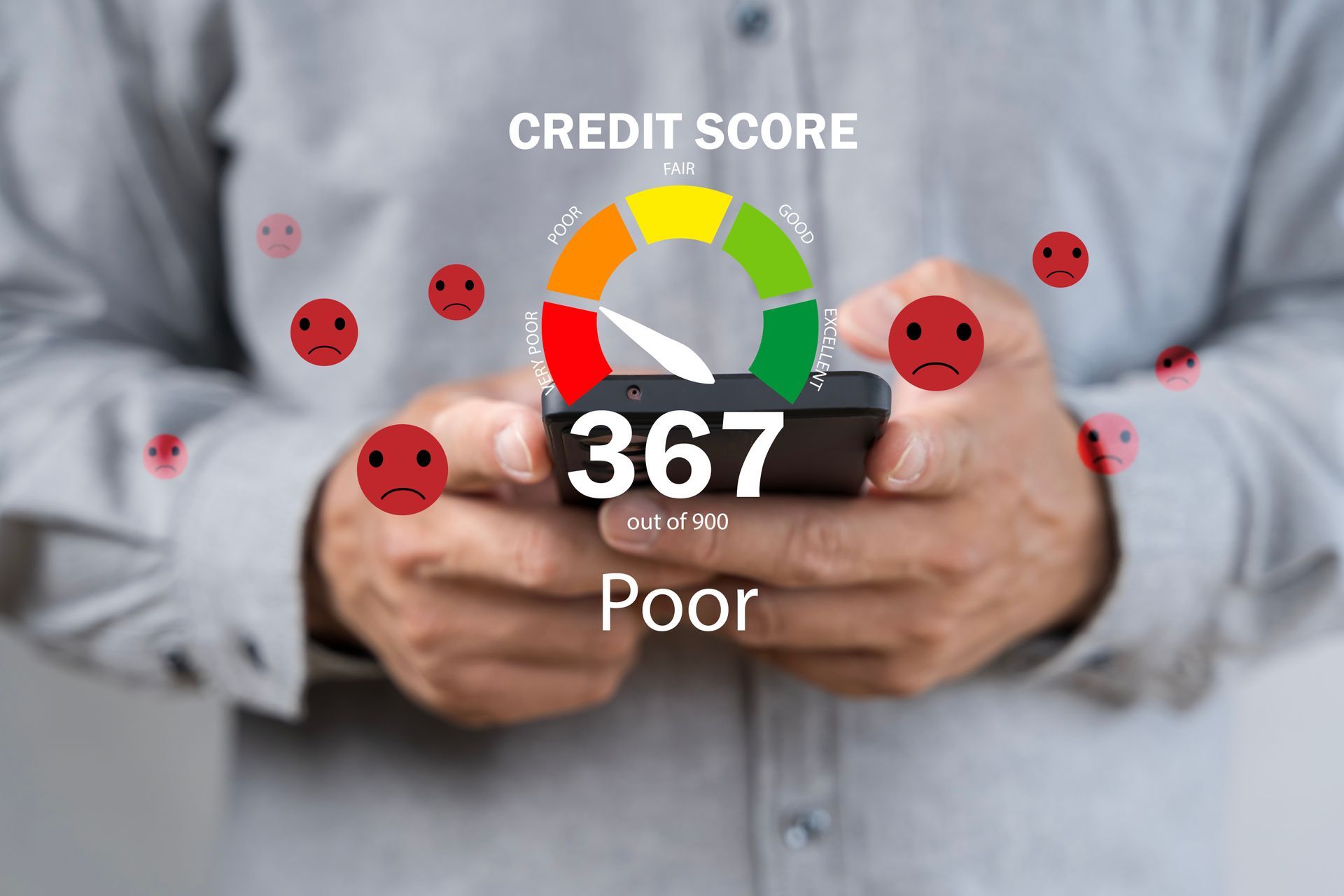
Your credit score is basically a report card of your financial well-being. This three-digit number, between 300 and 850, is intended to alert creditors and lenders to your creditworthiness. The higher your score, the less “risk” you present to lenders. Creditors use this score to determine how likely you are to repay your debts on time. They will base your loan eligibility and the interest rate you receive on your credit score.
A good score helps consumers secure low interest rates and better lending terms, and can help secure approval for apartments, utility services, and more. But what happens if your credit score has gone down?
A low credit score does not have to stay that way. Here are some ways to improve your score after taking a hit to your credit report.
What is a bad credit score?
A “bad” score is typically considered anything below 580. Some common credit score ranges are:
Exceptional: 800+
Very Good: 740-799
Good: 670-739
Fair: 580-669
Poor: below 580
Why did my score tank?
While it may be obvious in some instances why your credit report has fallen—bankruptcy, foreclosure, late payments, etc.—other factors may not be as clear.
Your credit score is calculated by the information in your credit report. Specifically, it includes:
- Payment History: 35% of your score. Late or missed payments can drastically impact your credit score, as your payment history accounts for the majority of your score.
- Debt Ratio: 30% of your score. Your debt-to-income ratio (DTI) is the amount of debt you have compared to your income. A DTI ratio below 36% is considered normal. A DTI ratio above 43% can negatively affect your credit score.
- Credit History: 15% of your score. The length of your credit history affects your total score, with older credit lines boosting it.
- New Credit: 10% of your score. New credit accounts can impact your score in two different ways. First, the hard inquiry into your credit report by a third party can cause a temporary dip in your score. Secondly, a new account will lower the average age of your accounts.
- Credit Mix: 10% of your score. Lenders like to see proof that you can successfully manage a broader range of accounts, like revolving accounts (credit cards, HELOCs) and installment accounts (loans).
The reasons behind your low credit score will likely be specific to your unique circumstances. Regardless of the reasons behind your low score, you can improve it in as little as 3-6 months.
Strategies to Improve Your Credit Score
1. Pay In Full, On Time
Because payment history is 35% of your credit score, it is critical that you are paying your bills in full and on time, every time, if you want to improve your credit score. Many accounts let you set up autopayments so you don’t miss a payment deadline. If you are struggling to keep up with payments, contact your lender to see if you can work out a revised repayment plan.
2. Reduce Credit Utilization
The lower your credit utilization is, the higher your overall credit score will be. If you carry balances month to month on revolving accounts, such as credit cards, your score will likely take a hit. Aim to pay off your balances each month to keep your DTI low.
3. Keep Old Accounts Open
Keep your old credit lines open, even if you are not using them anymore. For example, you buy a couch and decide to get the store credit card to finance the purchase. Once the couch is paid off, you decide to close the account. This can shorten your credit history, lowering the average age of your credit and decreasing your score.
4. Do Not Try To Open New Accounts
If your score is low, it will be difficult to get new lines of credit anyway, but even trying can further reduce your score. Especially if you already have a high DTI ratio or many new accounts, avoid taking on new loans or applying for a new credit card.
5. Check Your Credit Report for Errors
Errors happen, even on credit reports. Especially if your score has decreased significantly, it is critical to review your credit report for errors or inaccuracies. Look for fraudulent accounts, incorrect late or missed payments, items that should no longer be on your report, and other inaccuracies. You can dispute errors directly with the credit bureaus. If you are able to get your report corrected, you could see an immediate increase in your credit score.
How can Veitengruber Law help?
Vietengruber Law has been working with NJ consumers to improve their financial health for over 15 years. We understand the anxiety seeing a low credit score can cause. Our credit repair and counseling services provide our clients with personalized solutions. Our legal team will help you make informed, financially sound decisions and implement credit repair strategies. We will also work directly with your lenders, creditors, and the credit bureaus to remove errors and inaccuracies from your report.
You don’t have to restore your credit on your own. Veitengruber Law cares about your financial future.