

How to Transfer Real Estate Title to Heirs in NJ
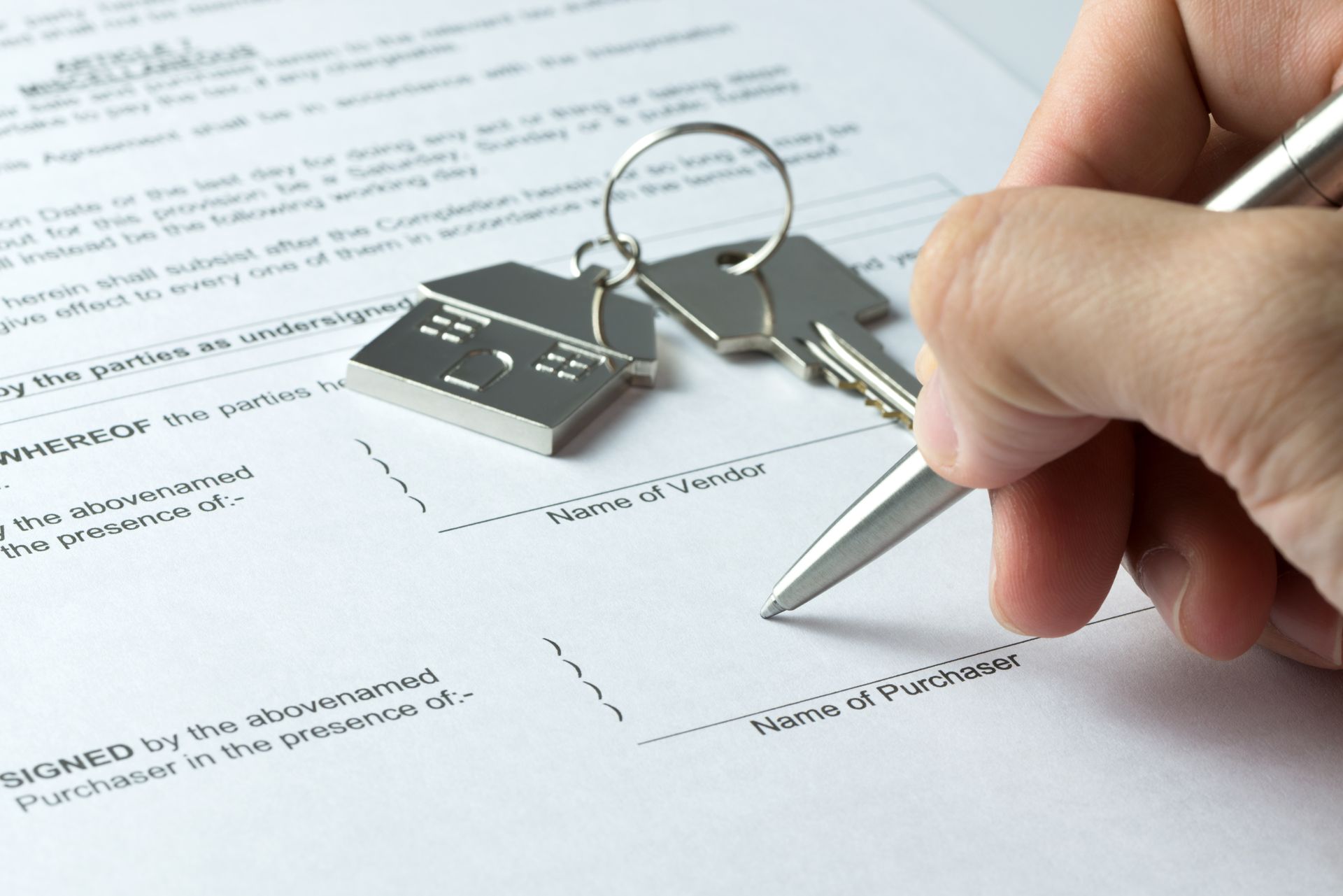
Deciding how to pass down real estate to your heirs is one of the biggest estate planning choices you are likely to make. As far as personal property goes, your real estate assets are likely your biggest investments and worth the most to your beneficiaries. But more than holding financial value, this property is likely to hold sentimental value for your loved ones as well. Determining the best strategy for passing property down to your family will depend heavily on your and your heirs' specific goals.
Here, we will look at three estate planning solutions for property transfer.
1. Sell The Property
This is an especially great choice if you are looking to downsize or move to a different area later in life. Selling your home to your heir while you are still living gives you the assurance that the property will transfer to the person you intend to transfer it to. You can also use the proceeds from the home sale to help fund your move.
You would need to sell the property at fair market value—otherwise, the difference between the sale price and the property's fair market value will be considered a gift. Gifts like this are subject to a “gift tax.” While NJ does not have a state gift tax, the federal gift tax allows you to gift up to $19,000 per person per year without filing a federal gift tax return. Anything above this will require you to pay taxes.
Another option is to sell the home to your heirs while continuing to live in it. You would need to pay your heir market rent, or the IRS could undo the sale. You are also allowed to loan your heir the money to purchase the property, but you would need to charge interest on the loan. Any interest earned would also be taxed as income on your tax returns.
2. Gift The Property
Real estate is an asset that appreciates over time. Gifting your real estate during your lifetime allows the property to appreciate outside your estate, lowering your heirs' tax liability upon inheritance. Gifting property typically involves placing the property into an irrevocable trust. An irrevocable trust is when you permanently transfer ownership of your property to a trust. In this scenario, you would lose all control over the asset and the ability to change the trust's terms. Property in a trust is protected from creditors.
A Qualified Personal Residence Trust (QPRT) allows you to transfer a primary or secondary residence to beneficiaries while reducing your federal and state tax liabilities. This trust will freeze the property's value as of the date it enters the trust. You can even continue to reside at the home until a predetermined date.
3. Bequeathing After Death
You can also include the property as part of your will. This is the property transfer method most people recognize. After you die, the property will transfer to the heirs designated in your will. You can determine what heirs receive which portions of your property. However, in NJ, your will may need to go through probate. The probate process can be time-consuming, stressful, and delay the settlement of your estate.
These are just a few of the options you have to limit the tax burden of you and your heirs while ensuring your property goes to the loved ones you intended. Veitengruber Law is an experienced real estate and estate planning law firm and attorney in NJ. We can help you plan for the future, protect your assets, and ensure your loved ones are cared for in the future.