

Getting Rid of Credit Card Debt in 2026
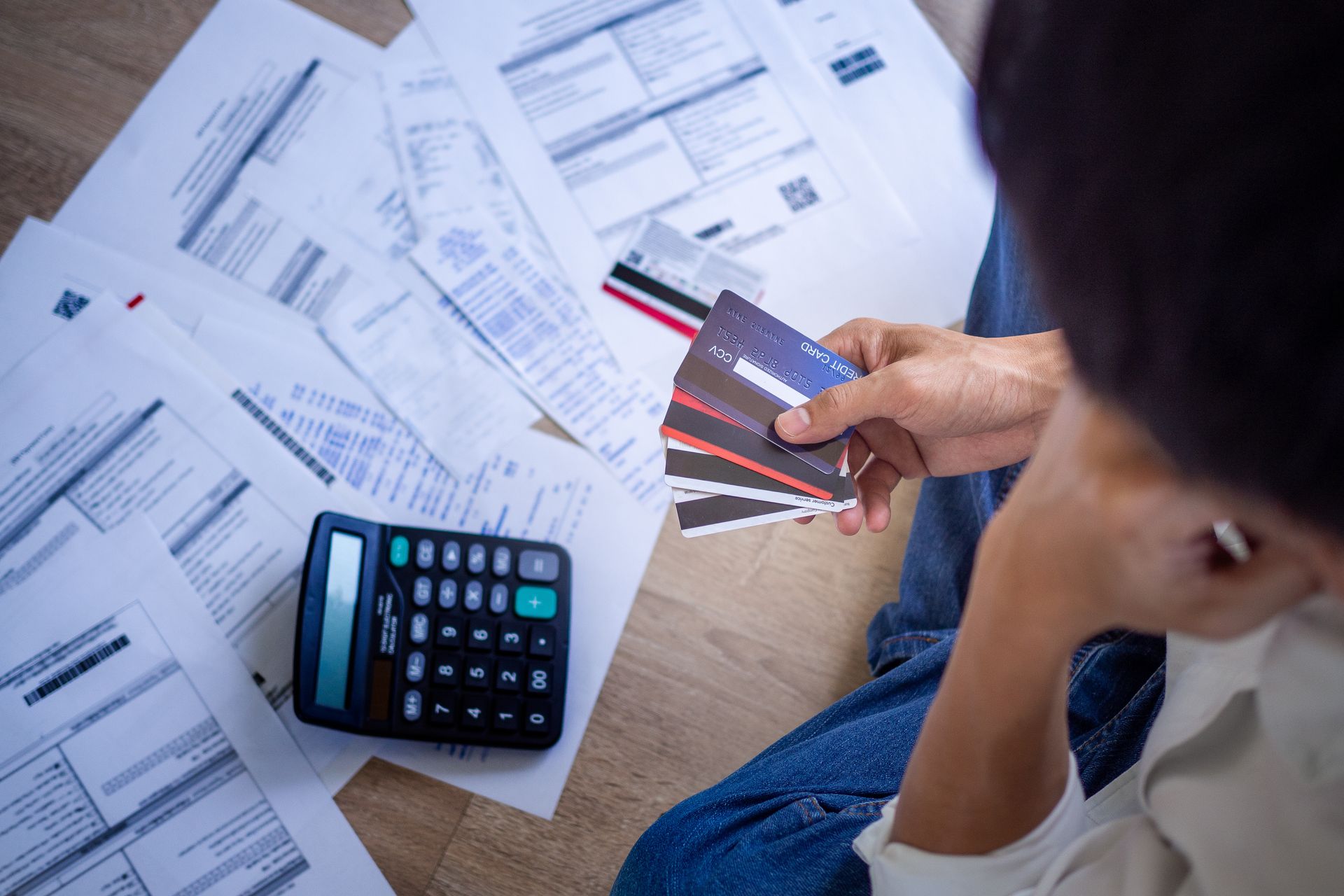
Total U.S. credit card debt reached $1.37 trillion in the second quarter of 2026. The average household credit card debt is $11,313, with 2.69% of accounts at least 30 days delinquent. Since the pandemic lows, credit card debt has soared in the U.S. Many households are struggling to keep up with inflated prices at the grocery store, the gas pump, and pretty much everywhere else. Folks are turning to credit cards more and more to cover basic living expenses.
Despite rising costs, you can still chip away at your debt to reduce or eliminate your balance. Here are some strategies for reducing your credit card debt:
1. Debt Consolidation
Debt consolidation allows you to combine balances from multiple accounts into a single loan. Instead of paying five different credit card bills, you can roll all your debt into one monthly payment. You can apply for a personal loan, a home equity loan, or use a balance-transfer credit card to cover your debt balances. Once you get the funds, you can pay off your credit card accounts and continue paying down your debt with one monthly payment.
This simplifies the repayment process and can help you save money with a lower interest rate than most credit cards offer. Depending on the loan terms, you may also be able to lower your monthly payments with a longer repayment term.
2. Payment Methods
There are two common payment methods used to pay down credit card debt quickly:
Debt Avalanche Method: With this method, you make extra payments on the card with the highest interest rate (APR) while paying the minimum on cards with a lower interest rate. This allows you to save the most money over time.
Debt Snowball Method: This method targets the smallest credit card balance first, giving you a quick win and a psychological boost to motivate you to pay down your other balances. Once you pay off the lowest balance, you move on to the next lowest balance.
Creating a plan and setting a goal to pay down your debt can help you stay focused and track your progress.
3. Debt Negotiation
If you can't pay back the debt you owe, debt negotiation could be an option. Debt negotiation is a process in which you or a professional negotiator communicates directly with your creditors to reach new agreements on your outstanding balances. These new terms might include reducing the total amount you owe, lowering your interest rates, extending your repayment period, or creating a more affordable payment plan.
In some cases, you may be able to negotiate a settlement for less than the full amount owed or halt ongoing creditor lawsuits. You may also be able to modify your loan, which can further ease your repayment burden. Debt negotiation can provide relief from overwhelming debt and help you regain financial stability. An experienced attorney can help you navigate communication with your creditors and utility companies.
When you need an experienced debt negotiation attorney, Veitngruber Law can help. We review every detail of your debt challenges to ensure our solution fits your needs. We can help you make 2026 the year you say goodbye to your debt.