

Dying Without a Will in New Jersey: What Happens to my Home?
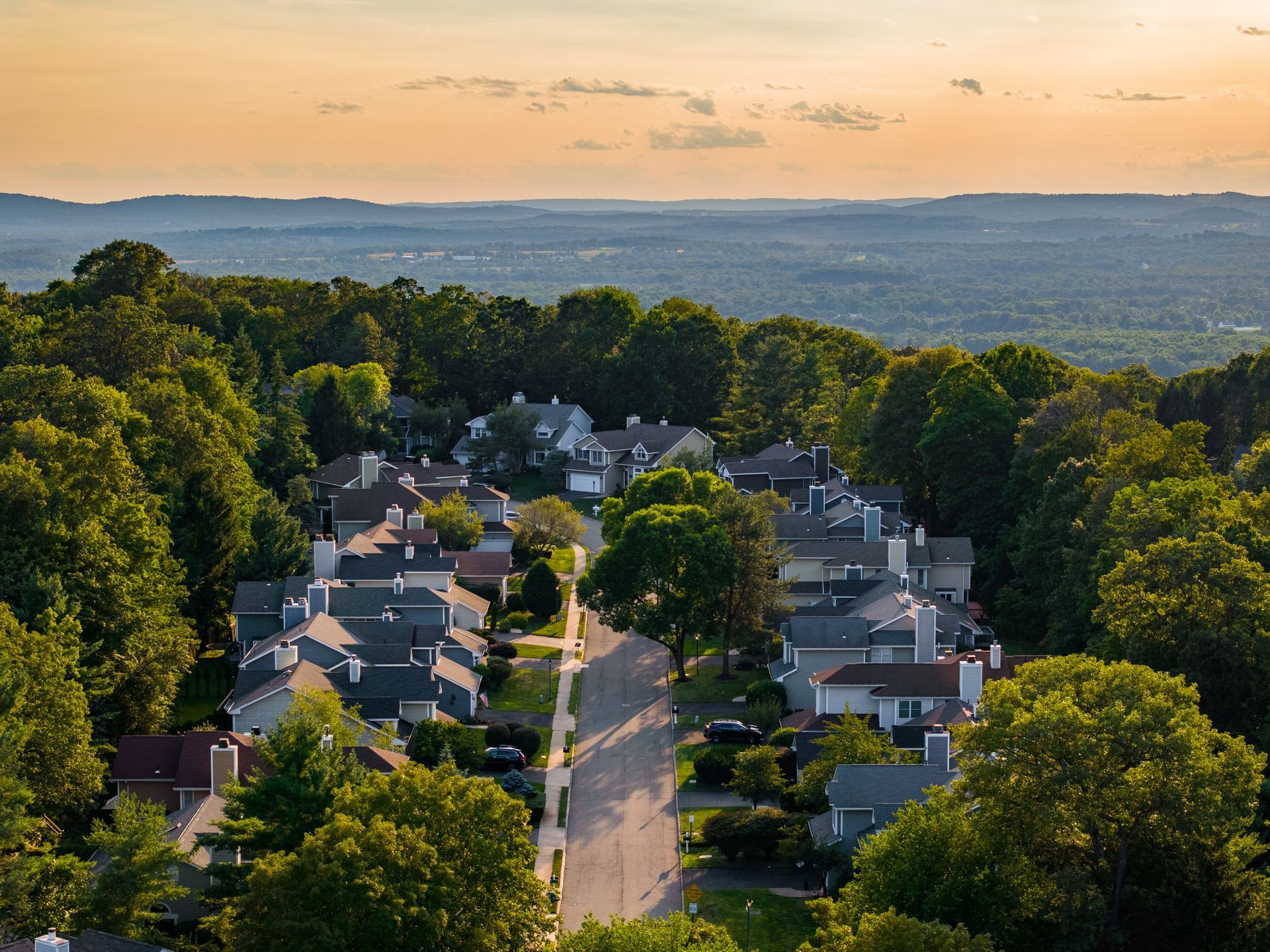
When a person dies without a will, inheritance and succession laws dictate how an individual’s assets are distributed. Dying without a will or estate plan is called dying “intestate.” Intestacy laws vary from state to state, so it is critical to understand your state's laws. These laws cover real estate, including who inherits the decedent’s home and if the property needs to be divided amongst heirs.
In New Jersey, the order of inheritance follows a set hierarchy based on the deceased’s existing family structure. Here is the process of determining who inherits real estate property in NJ. For the following examples, we will assume that the home in question is owned by the decedent alone with no co-owners.
Scenario One: Decedent Has A Spouse and Children
If the decedent is married at the time of their death and all of their children are shared with their current spouse, the spouse will get 100% of the estate, including any property owned outright by the decedent (or co-owned by the decedent and the spouse).
If the decedent has children from a previous relationship that are not shared with their current spouse, the children from the past relationship will inherit some of the estate. Typically, the current spouse will split the estate assets with the children from the previous relationship. If a child from the previous relationship is deceased but has produced a grandchild of the decedent, the grandchild will stand to inherit their parent’s share.
The division of who gets what is somewhat complicated when dividing assets amongst an existing spouse and children from a previous relationship. The spouse will receive the first 25% of the estate (no less than $50,000 but no more than $200,000) plus half the remaining balance of the estate. The children of the decedent will split the balance of the estate.
Typically, if the spouse is splitting inheritance of a piece of real estate with children from a previous relationship, the property will be sold and the proceeds divided amongst all the inheritors.
Scenario Two: Decedent Has No Spouse but Has Children
If the decedent has no current spouse but does have children, the home will be split equally amongst all the children of the decedent, regardless of whether all the children share the same parents. Again, in a scenario like this, it is likely the home will be sold and the proceeds divided evenly amongst all heirs. If a child of the decedent has died, their children will take their share of the estate.
Scenario Three: Decedent Has A Spouse But No Children
If you have a spouse but no children, no living children, or no living grandchildren, your spouse will get 100% of the estate and the home.
Scenario Four: Decedent Has No Spouse and No Children
If the decedent has no spouse and no children, the courts will look to the next closest kin to inherit the home. First, the court will look for living parents. Next, they will look for siblings. If an heir still cannot be found, the court will begin looking for more distant relatives like nieces and nephews or cousins. If no living blood relatives can be found, the house will go to the state of NJ.
How Can I Protect My Home?
Determining how to divide a home when there is no will can be legally challenging and emotionally devastating for the loved ones you leave behind. The best way to avoid legal battles and bad blood is to have an estate plan in place—especially if your family structure is not necessarily straightforward.
A will can provide legal clarity to ensure that everyone is aware of your wishes. For example, you can leave your home to your current spouse but ensure that your children are fairly compensated in other ways. This allows your spouse to remain in the home you share while still providing an inheritance for your children from a previous relationship.
Alternatively, if your home is a family home, you can ensure ownership transfers to your children after your death while still providing financial compensation and security for your existing spouse. An experienced estate planning attorney can work with you to determine the legal tools necessary to carry out your wishes.
Veitengruber Law is an experienced real estate and
estate planning attorney in Monmouth County, New Jersey. We work with individuals to plan for the future and get peace of mind that their loved ones and assets are protected.